


Infection Prevention Starts with the Basics
How High-Quality Surgical Consumables Reduce Hospital-Acquired Infections (HAIs)
Hospital-acquired infections (HAIs) are not caused by a single failure.
They are the result of small, compounding breakdowns across systems, processes, and materials.
While protocols, training, and compliance receive most of the attention, one factor is often underestimated:
The quality of everyday surgical consumables.
For doctors, procurement teams, importers, and distributors, this is not a cost discussion.
It is a patient safety and reputational risk discussion.
Why HAIs Remain a Priority for Hospitals and Clinics
Despite advances in sterilization and infection control, HAIs continue to place pressure on healthcare systems worldwide.
They lead to:
- Extended patient stays
- Increased antibiotic use and resistance
- Higher treatment costs
- Legal and accreditation risks
- Erosion of patient trust
Global bodies such as World Health Organization consistently emphasize that infection prevention starts before the incision is ever made.
And that begins with the materials that touch patients every day.
The Hidden Risk in Cotton & Gauze Quality
Absorbent cotton and gauze are among the most commonly used surgical consumables—yet quality variations are often overlooked.
Low-grade materials can introduce risk through:
- Excessive fiber shedding, contaminating surgical sites
- Poor absorbency, leading to fluid pooling
- Inconsistent whiteness, indicating residual impurities
High-quality cotton and gauze should demonstrate:
- Controlled fiber structure with minimal lint
- High and consistent absorbency
- Uniform whiteness without chemical residues
In surgery, microscopic fibers can become macroscopic problems.
Sterile Dressings & X-Ray Detectability: Small Features, Major Impact
Sterile dressings are not just about coverage—they are about control and traceability.
Key quality indicators include:
- Reliable sterility assurance
- Strong sealing integrity
- X-ray detectable threads or markers
Radiopaque (X-ray detectable) features are essential safeguards against retained surgical items—one of the most serious and preventable surgical errors.
Here, quality is not optional. It is a fail-safe.
CSSD Best Practices Depend on Packaging Integrity
Central Sterile Services Departments (CSSD) operate on precision.
Even the most advanced sterilization process can fail if:
- Reels tear during handling
- Indicators are unclear or unreliable
- Seals break during transport or storage
High-quality sterilization reels and indicators ensure:
- Clear visual confirmation of sterilization
- Secure packaging throughout handling
- Reduced reprocessing and waste
In CSSD, packaging is part of the sterilization process—not an accessory to it.
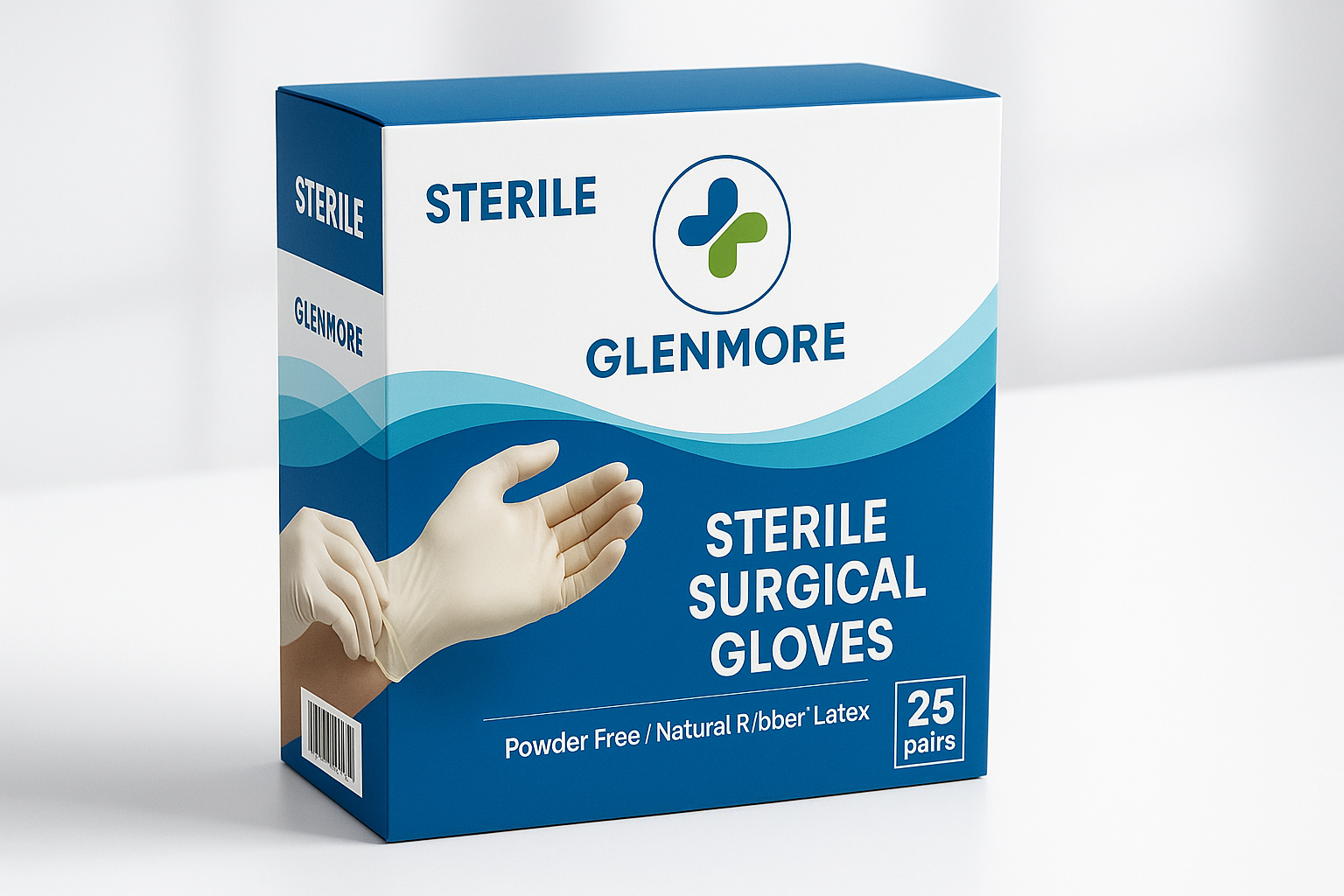
Tapes, Bandages, and Gloves: Skin Integrity Matters
Infection prevention also depends on protecting the patient’s first line of defense: the skin.
Low-quality consumables can cause:
- Skin irritation or micro-tears
- Poor adhesion leading to repeated handling
- Increased glove failure or micro-perforations
High-grade tapes, bandages, and gloves support:
- Intact skin barriers
- Reduced cross-contamination
- Safer clinical workflows
Comfort and safety are not competing priorities—they are connected.
A Practical Procurement Checklist for Surgical Consumables
For procurement teams, importers, and distributors, quality evaluation should be systematic—not price-driven.
Before selecting a supplier, confirm:
- ✅ Compliance with international standards (ISO, CE, relevant pharmacopeia)
- ✅ Consistent batch quality and traceability
- ✅ Fiber control and absorbency test results (cotton & gauze)
- ✅ Reliable sterility indicators and packaging seals
- ✅ X-ray detectable options where clinically required
- ✅ Clear documentation and transparent manufacturing processes
The real cost of low-quality consumables is rarely visible on the invoice—but it always appears elsewhere.
Final Thought: Infection Prevention Is Built, Not Claimed
Hospitals don’t prevent infections with slogans or audits alone.
They prevent them through hundreds of daily material decisions.
High-quality surgical consumables may seem basic—but basics are where systems succeed or fail.
In infection control, excellence starts with what you touch first.
Very inflatable and valuable writing